AES – Low Bio-Persistence Wool

Our AES – Low Bio-Persistence Wool products are produced from specific alkaline earth-silicate raw materials, uniquely engineered for high temperature insulation applications. They offer low biopersistence, up to 20% lower thermal conductivity compared to refractory ceramic fiber (RCF) insulation and resistance to molten aluminum. 

  • AES – Low Bio-Persistence Wool Plus offers good low thermal conductivity and good thermal shock resistance.
  • AES – Low Bio-Persistence Wool HT provides outstanding insulating properties at elevated temperatures.
  • AES – Low Bio-Persistence Wool XTRA is specially processed to offer excellent performance in high-temperature applications. It provides excellent thermal insulation characteristics and exceptional handling properties, and is resistant to chemical attack.

Types of AES – Low Bio-Persistence Wool Products
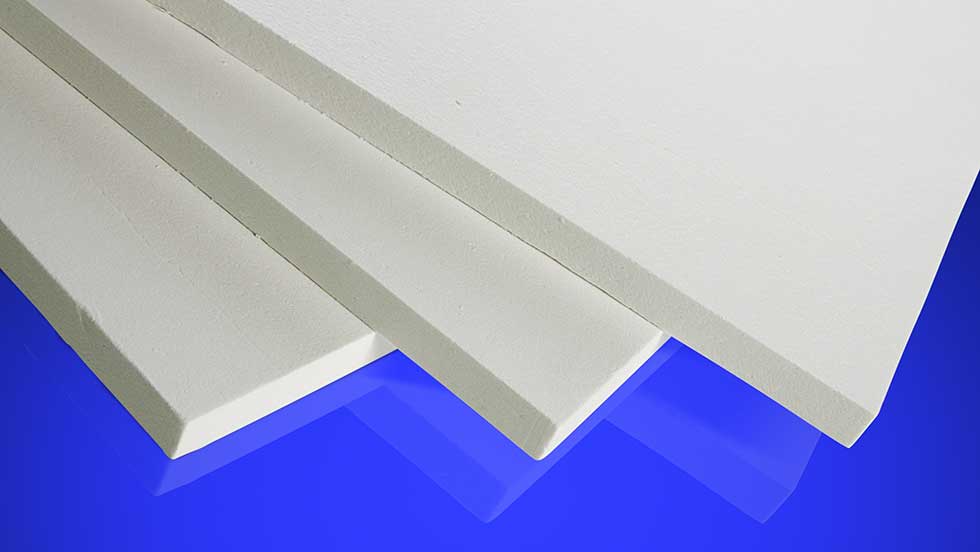
A set of three AES – Low Bio-Persistence Wool high-temperature insulating fiber boards pictured on a blue background.

Boards

AES – Low Bio-Persistence Wool high-temperature insulating fiber boards are well-suited for use as back-up insulation or installed as hot face application solutions ranging from furnace linings to burner surrounds to hot tops. They can be used as rigid, self-supporting insulation or can be manufactured into a flexible solution. Both formats provide an exceptional performance-to-weight ratio and are resistant to most chemical attacks. They also offer potential space savings of up to 50% thickness when replacing insulating firebricks and castables.

A set of three AES – Low Bio-Persistence Wool high-temperature insulating fiber boards pictured on a blue background.
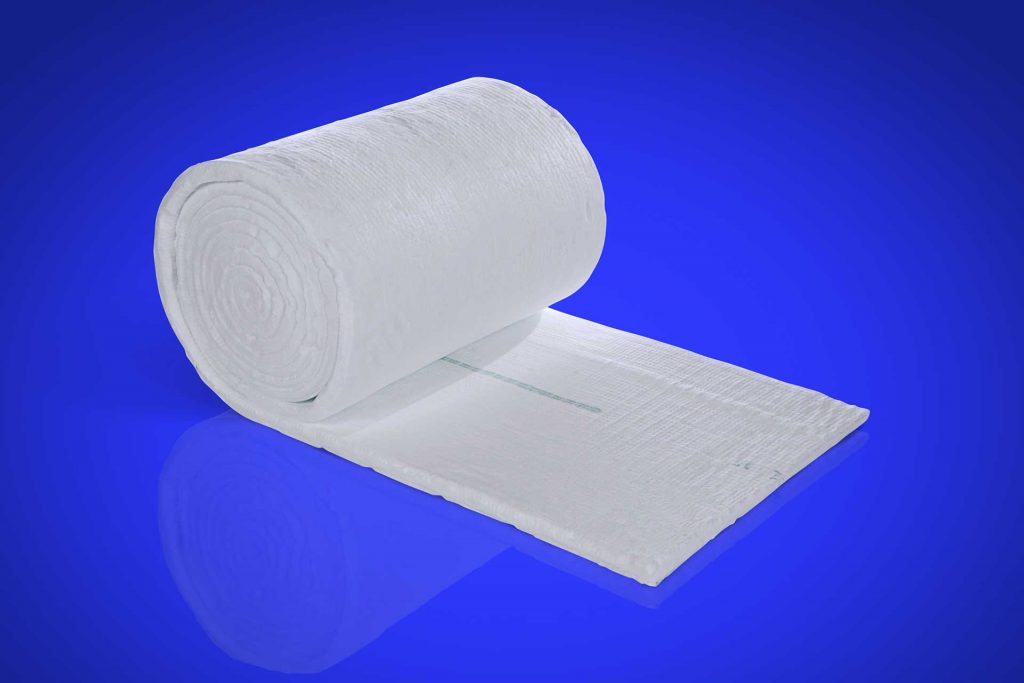
A roll of white low bio-persistence wool used for refractory insulation.

Blanket

AES – Low Bio-Persistence Wool blanket products are lightweight and strong for easy installation, excellent heat storage capacity for effective energy savings, and good thermal shock resistance for use in difficult environments. They provide lower thermal conductivity compared to some RCF fiber materials. They can improve insulation performance by up to 20% and weight savings of up to 25%. They offer low biopersistence and can withstand temperatures from 2372°F to 2600°F.

A roll of white low bio-persistence wool used for refractory insulation.
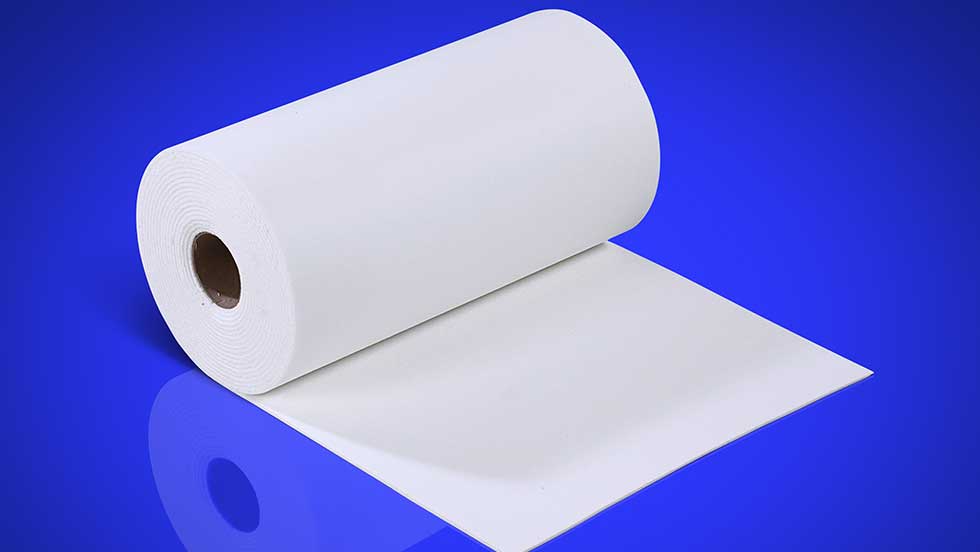
A roll of AES – Low Bio-Persistence Wool-based papers pictured on a blue background.

Papers

AES – Low Bio-Persistence Wool-based papers can be used for thermal and acoustic insulation in applications such as heat shields and airbags. AES – Low Bio-Persistence Wool paper is resistant to chemical attack and is non-wetting to molten aluminum. It is the only low biopersistent fiber available with a classification temperature of 2372°F.

A roll of AES – Low Bio-Persistence Wool-based papers pictured on a blue background.
A AES – Low Bio-Persistence Wool Pyro-Block module with included hardware, pictured on a blue background.

Modules

AES – Low Bio-Persistence Wool Pyro-Block modules are ideal for fast installation in industrial heaters, boilers and furnaces. AES – Low Bio-Persistence Wool offers an exceptional performance-to-weight ratio and is resistant to chemical attack. It has low biopersistence and can withstand temperatures from 2372°F to 2600°F.

A AES – Low Bio-Persistence Wool Pyro-Block module with included hardware, pictured on a blue background.
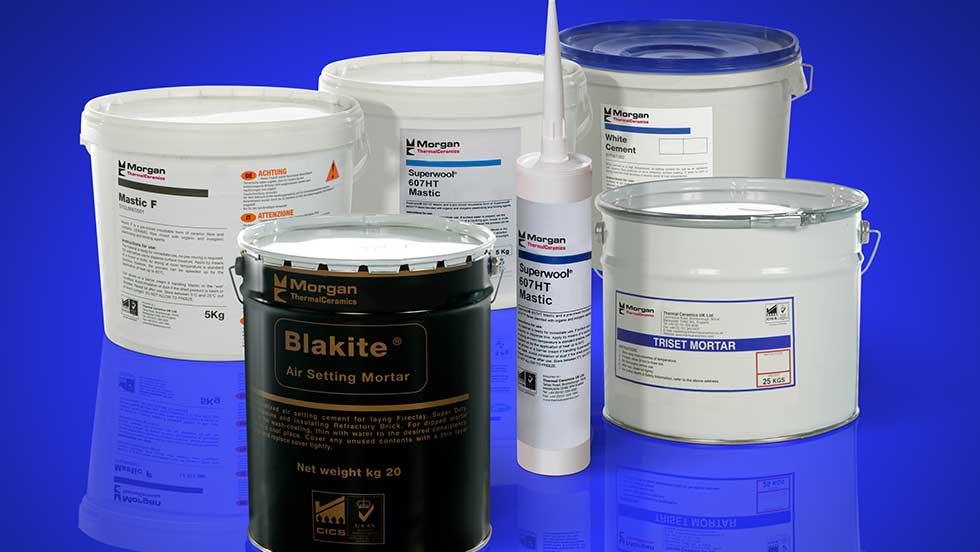
Buckets of AES – Low Bio-Persistence Wool-based caulks pictured in various sizes, against a blue background.

Caulk

AES – Low Bio-Persistence Wool-based caulks are used to repair ovens, furnaces and process equipment, fill cracks and gaps in refractory linings, and to enhance or repair thermal insulation in refractory applications. They also provide protection against chemical attack from alkalis, iron oxide and air and moisture infiltration. These caulks offer low thermal conductivity and heat storage capacity for effective energy savings. They are also durable and are resistant to thermal shock and erosion.

Buckets of AES – Low Bio-Persistence Wool-based caulks pictured in various sizes, against a blue background.

Advantages

of AES – Low Bio-Persistence Wool

  • Low biopersistence
  • Low thermal conductivity
  • Excellent thermal shock resistance
  • Minimal linear shrinkage up to its classification temperature
  • Up to 30% more fibers, which provide efficient prevention of heat transfer and excellent strength
  • Potential for material weight savings (less insulation is needed to achieve the same level of thermal protection)

Let's get started!