Insulation

Refractory insulation encompasses a wide variety of materials, formats and applications that protect your heat containment structure when exposed to temperatures from 500° to 3000°F. It includes products such as AES – Low Bio-Persistence Wool and Refractory Ceramic Fiber which are available in a wide array of formats. 

Types of Refractory Insulation

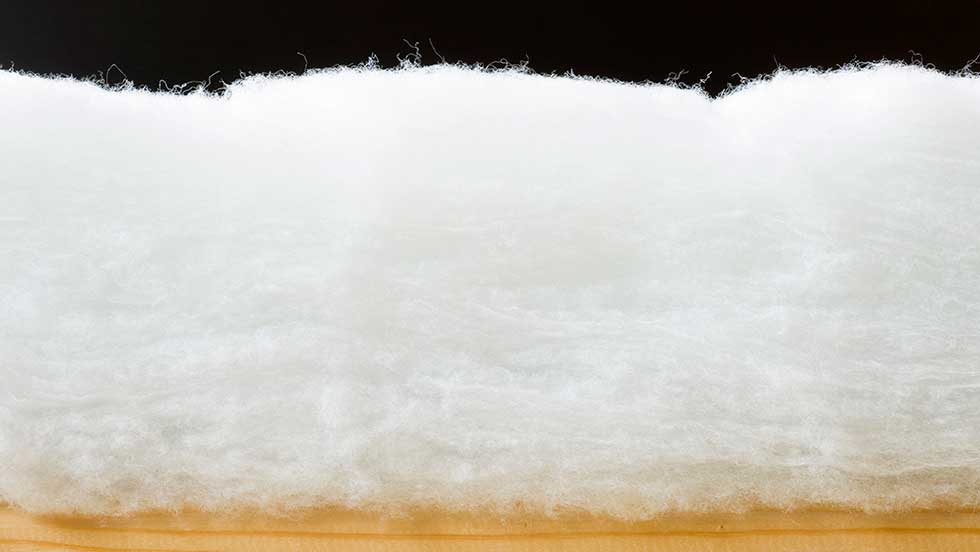
  • A closeup image of a sheet of fiberglass e glass refractory insulation.

    Fiberglass/E-glass

    Fiberglass or Silica glass insulation in rigid and semi-rigid board form in nominal densities from 3-12 lb/cu. ft. Superior performance for boilers, precipitators, ducts and mechanical equipment operating from sub-ambient to 1200 degrees F. Fabricates easily and cuts cleanly with a knife.

    A closeup image of a sheet of fiberglass e glass refractory insulation.
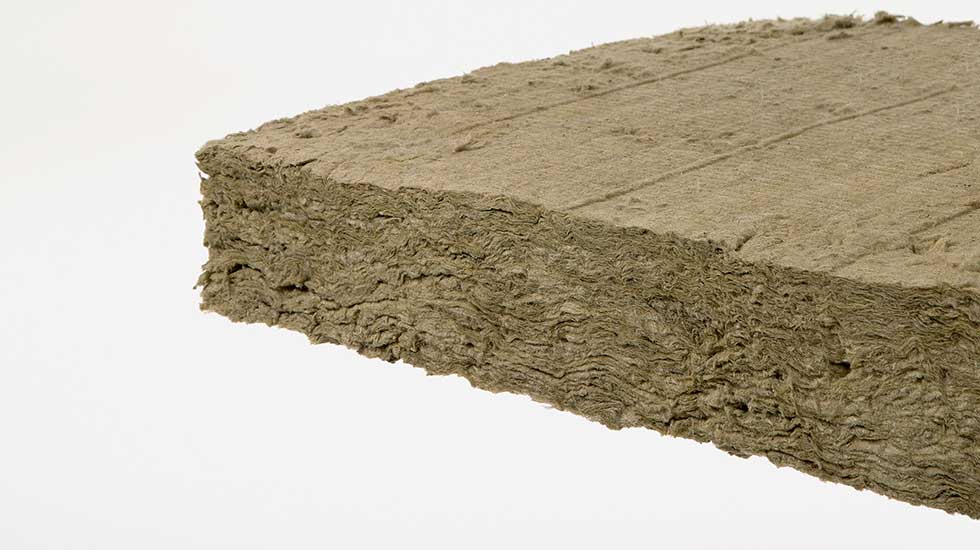
  • A piece of Mineralwool refractory insulation. This insulation is made of dense, compacted layers of brown material.

    Mineralwool

    Mineralwool consists of high temperature mineral fibers bonded together with a special combination of organic and inorganic binders. Easily impaled or cut with a knife, it is recommended for use in applications requiring a high temperature rating and/or greater residual strength than available in organic bonded board insulations. A low moisture absorption rate allows castable refractories to be placed in direct contact without degradation. It can be used for direct or refractory back-up installations in ovens, furnaces, kilns, power generation and process equipment with service temperatures up to 1900 degrees F.

    A piece of Mineralwool refractory insulation. This insulation is made of dense, compacted layers of brown material.
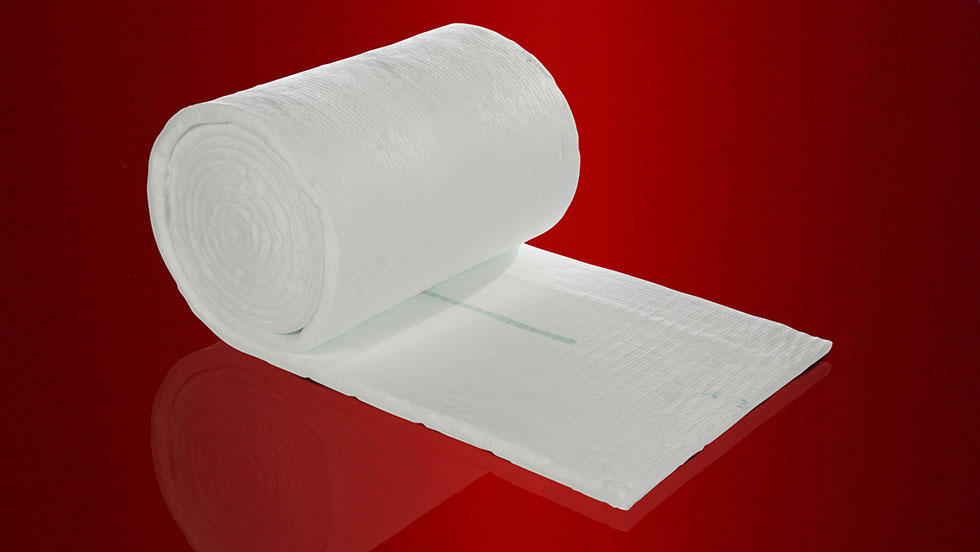
  • A large roll of Ceramic Fiber Blanket refractory insulation pictured on a red background.

    Refractory Ceramic Fiber

    The refractory ceramic fiber supplied by Fire Brick Engineers is a highly versatile material. It can be spun or blown into bulk, air-laid into a blanket, folded into modules, converted into papers, boards, and shapes, die-cut into gaskets, twisted into yarns, woven into rope and cloth, and blended into liquid binders for mastics and cements. With this wide range of products, we can provide exactly the right product or engineered system to fit your requirements.

    A large roll of Ceramic Fiber Blanket refractory insulation pictured on a red background.
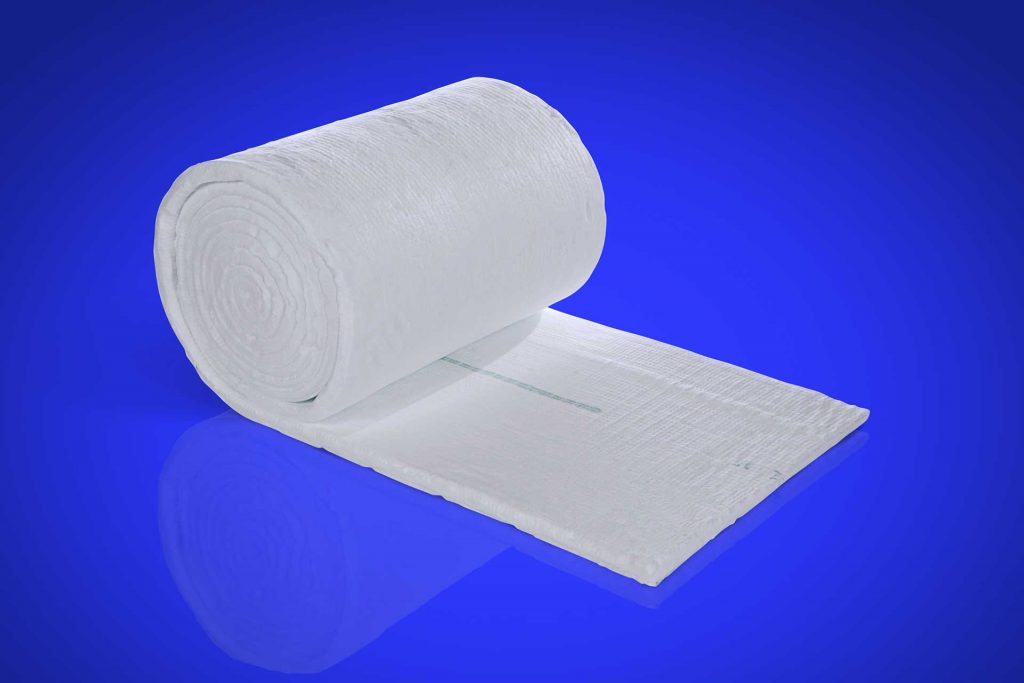
  • A roll of white low bio-persistence wool used for refractory insulation.

    AES – Low Bio-Persistence Wool

    Our AES – Low Bio-Persistence Wool products are produced from specific alkaline earth-silicate raw materials, uniquely engineered for high temperature insulation applications. They offer low biopersistence, up to 20% lower thermal conductivity compared to refractory ceramic fiber (RCF) insulation and resistance to molten aluminum.

    A roll of white low bio-persistence wool used for refractory insulation.
  • Picture-placeholder-for-website

    Microporous Insulation

    Microporous insulation is a premium backup insulation used when you need maximum thermal performance in the thinnest possible space. Originally developed for aerospace thermal protection, it delivers exceptionally low thermal conductivity to help achieve cooler shell-side temperatures at high hot-face conditions. It’s commonly supplied in boards or panels and often encapsulated (foil, cloth, or film) to keep the material intact and easier to install.

    Picture-placeholder-for-website

Let's get started!